


Ethnic Style
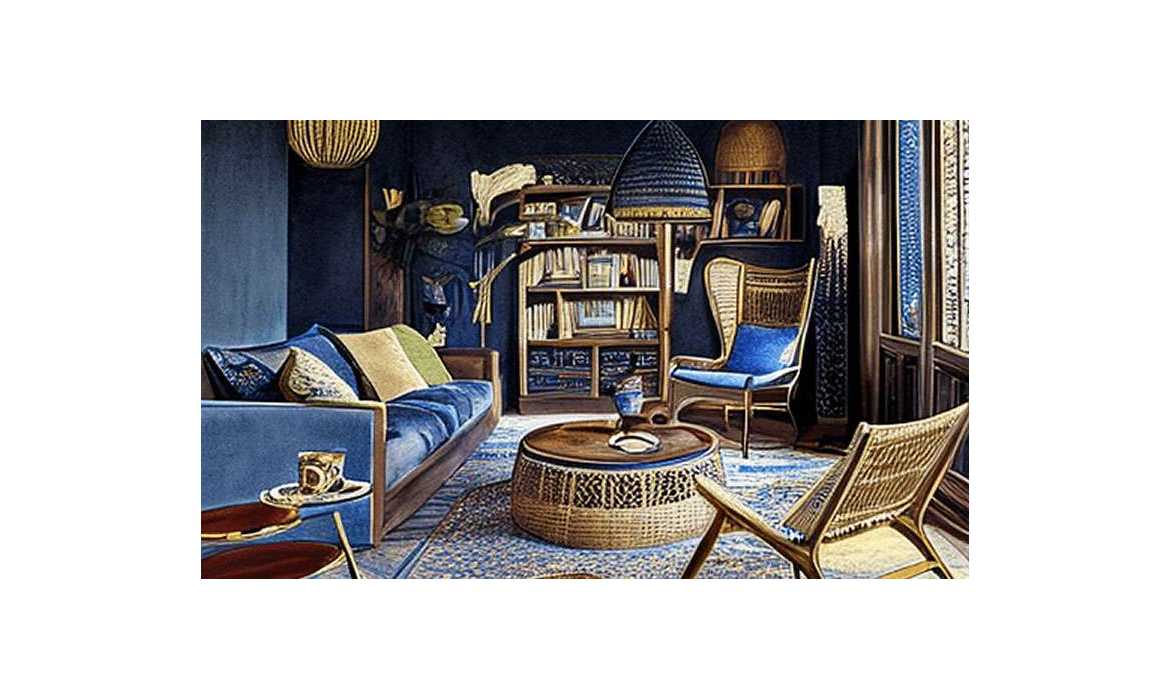
The ethnic style in decoration is an approach inspired by the traditions, cultures, and arts of various parts of the world.
The ethnic style in decoration is an approach inspired by the traditions, cultures, and arts of various parts of the world. It is characterized by a mix of distinctive elements, vibrant colors, geometric or organic patterns, and natural materials, evoking the aesthetics and cultural heritage of specific populations. Here are some key features of the ethnic style:
Natural Materials
- The use of materials such as wood, bamboo, rattan, stone, ceramics, linen, and cotton is central to the ethnic style. These materials reflect a connection to nature and handcrafted workmanship.
- Elements in leather, hide, and metals like copper and brass can be used for decorative details.
Patterns and Designs
- Common patterns include geometric, floral, tribal, or symbolic motifs, often drawn from traditional fabrics, rugs, or ceramics.
- Patterns like African (Adinkra, mud cloth), Indian (paisley, mandalas), or South American (Incan, Aztec) are particularly popular.
Colors
- Warm and earthy tones, such as brown, ochre, red, orange, and more saturated tones like deep blue, emerald green, and gold.
- Colors can vary depending on cultural inspiration, such as the vibrant hues of Mexican culture or the neutral tones of Scandinavian-Sami traditions.
Iconic Objects
- Statues, tribal masks, woven baskets, drums, decorative fans, and traditional jewelry can serve as decorative elements.
- Rugs, kilims, and tapestries often become focal points of the space.
Local Craftsmanship
- The ethnic style values handcrafted items, such as hand-thrown ceramics, embroidered textiles, woven fibers, and carved furniture.
Lighting
- Lamps made of fabric, parchment, or colored glass (like Moroccan lamps) contribute to creating a warm and welcoming atmosphere.
Accessories and Details
- Cushions and bedspreads with ethnic embroidery.
- Vases, bowls, or decorative utensils made from natural materials.
- Wall art depicting traditional life scenes or typical landscapes.
Cultural Diversity
- It is a versatile style that can embrace elements from various cultures: African, Asian, Middle Eastern, South American, Indian, or Polynesian.
How to Use It
- Blending: The ethnic style can be combined with other styles, such as boho chic or modern minimalist, to create interesting contrasts.
- Consistency: Avoid overcrowding the space. Carefully selecting key pieces prevents a chaotic effect.
In summary, the ethnic style is a visual and sensory journey that celebrates cultural diversity through interior design.
In Same Category
- Encens Haut de Gamme : Comment le Choisir pour son Intérieur ?
- Sculptural Candles and High-End Luxury Wax Art | MAISON IMPERIALE
- MAISON IMPERIALE | The Benchmark of Decorative Luxury Interior Design
- Luxury Room : Create a Personal Sanctuary | MAISON IMPERIALE
- Luxury Decor Trends 2026: High Craftsmanship by MAISON IMPERIALE