


Industrial Style
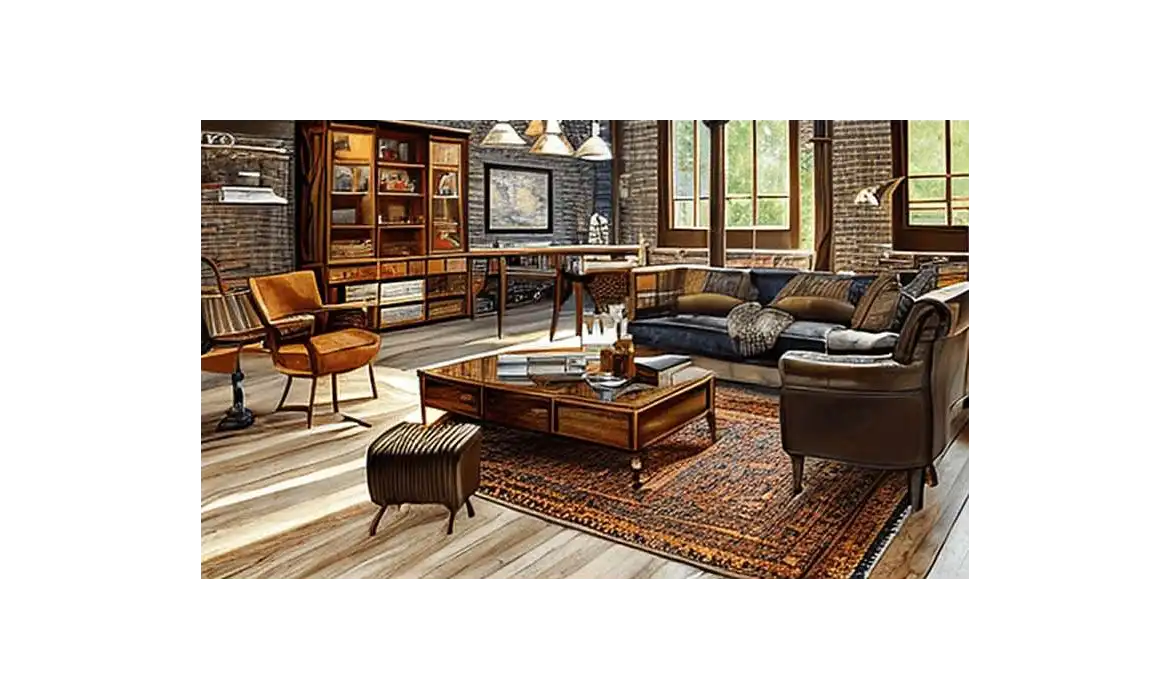
Industrial style in decoration is inspired by industrial spaces and factories from the 19th and 20th centuries, which have been adapted for residential or commercial use.
Industrial style in decoration is inspired by industrial spaces and factories from the 19th and 20th centuries, which have been adapted for residential or commercial use. This style is characterized by the use of raw materials, robust textures, and an urban, minimalist atmosphere. Here are some key elements:
Raw materials: Concrete, exposed brick, steel, iron, and untreated wood are the main materials. Rough surfaces, exposed beams, and concrete or weathered wood floors give a sense of authenticity and durability.
Color: The color palette focuses on neutral and dark tones like grays, blacks, browns, and metallic hues, often combined with warmer details like natural wood to balance the cold appearance.
Minimalist furniture: Furniture is often simple, functional, and unadorned, with clean lines and sturdy materials. Metal, reclaimed wood, and vintage pieces are common.
Lighting: Pendant lights, industrial spotlights, and exposed lamps with minimalist designs and materials like metal, copper, or concrete are typical. The lights often have a deliberately "raw" and vintage look.
Open spaces: Spaces are large, with high ceilings and big windows to create a sense of openness and light. Structural elements like columns and beams are not hidden but highlighted.
Decorations and accessories: Accessories are minimal, but they may include vintage items like wall clocks, retro posters, or artworks that emphasize metalwork or industrial design.
Industrial style creates environments that are both sophisticated and rustic, where functionality and aesthetics merge.