







The matcha ritual: utensils and Japanese art of living
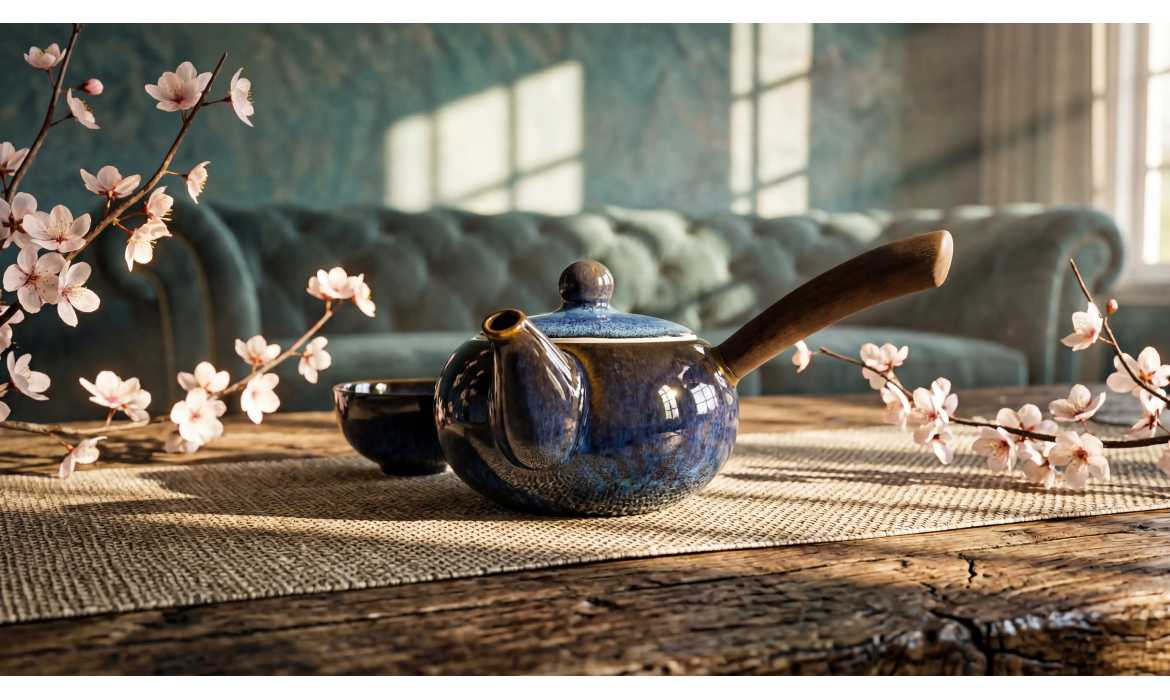
A deep green, the rustle of bamboo, a chosen silence: the matcha ritual turns slowness into a contemporary luxury. Discover the chanoyu, the precise gestures and the exceptional utensils that transform a drink into a true art of living.
Introduction: matcha, far more than a tea
A deep green, almost unreal, at the bottom of the bowl. The muffled rustle of bamboo against ceramic. And that chosen silence, which turns a simple drink into a suspended moment. At a time when everything is speeding up, the matcha ritual sets slowness against the rush as a contemporary luxury.
Here we invite you to understand this ancestral ritual — the chanoyu, or way of tea (chadō) — and to recognise the exceptional matcha utensils that make it possible. Maison Imperiale brings together a selection of authentic and refined objects for the art of daily living.
The origins of chanoyu: the Japanese tea ceremony
A history spanning centuries, from Zen Japan to Sen no Rikyū
Brought to Japan by Zen monks, powdered tea became, over the centuries, far more than a beverage. In the sixteenth century, the master Sen no Rikyū refined the Japanese tea ceremony and gave it its most accomplished form: a codified art in which every gesture and every object matters.
The four principles of wabi-cha
Wabi-cha rests on four pillars that reach far beyond tea:
- Harmony (wa) — the accord between people, objects and the season.
- Respect (kei) — the regard shown to the host as to each utensil.
- Purity (sei) — the cleanliness of the place, the body and the mind.
- Tranquillity (jaku) — the serenity that arises once the first three are reached.
Matcha today: from spiritual rite to an everyday art of living
Far from being frozen in time, matcha now finds its place in our homes. It embodies an accessible Japanese art of living, in which, for the space of a bowl, we rediscover a taste for slowness and beauty.
The essential utensils of the matcha ritual
The chawan, matcha bowl
At the heart of the ritual, the chawan bowl holds the powder, the water and the whisking gesture. Its shapes vary with the seasons: wide and flaring in summer to let the tea cool, tall and narrow in winter to retain the heat.
The chasen, bamboo whisk
Carved from a single piece of bamboo into dozens of fine tines, the chasen whisk is the soul of the gesture. It is this tool that, with a swift W-shaped motion, emulsifies the powder and water until it forms that smooth foam which marks a well-made matcha.
The chashaku, bamboo scoop
This slender curved scoop measures the right amount of powder — about two scoops for a bowl. Its sobriety is a reminder that in matcha, precision takes precedence over abundance.
The natsume, matcha caddy
Matcha, being delicate, fears light, air and humidity. The natsume caddy, often lacquered, keeps it sheltered and preserves the intensity of its colour and its aromas.
The whisk holder (kusenaoshi)
After use, the chasen rests on this ceramic holder, which keeps its tines spread apart. A discreet detail, yet a decisive one for preserving the shape and extending the life of the whisk.
The cast-iron teapot (tetsubin)
To extend the ritual around steeped teas, the cast-iron teapot radiates a gentle, steady warmth. A centrepiece of the world of tea, it converses beautifully with the other utensils.
Preparing matcha step by step: the right gesture
Sifting and measuring the matcha
To prepare traditional matcha, first sift the powder to remove any lumps. Allow about two chashaku scoops for an usucha (light, frothy matcha), more for a koicha (thick, almost velvety matcha).
Water temperature and pouring
The water must never boil: aim for 70 to 80 °C to preserve its softness and avoid bitterness. Pour a small amount (60 to 70 ml) down the side of the bowl.
Whisking with the chasen to perfect foam
Hold the bowl with one hand and whisk with the other using the chasen, tracing rapid W shapes from the wrist. Around twenty seconds are enough to raise a fine, even foam.
Mistakes to avoid
- Water that is too hot, which "scorches" the matcha and makes it bitter.
- A slow, circular whisking motion, which fails to incorporate air.
- A poorly dried chasen, which deteriorates and alters the taste.
Choosing exceptional utensils: material, craftsmanship and durability
Recognising a work of art
Artisanal porcelain with living glazes, the renowned cast iron of Oitomi, hand-woven bamboo: excellence can be read in the material. A standard found again in our pieces born of exceptional craftsmanship, where each object bears the trace of a human gesture.
A complete set or pieces to assemble
For the beginner, a fine matcha set offers the essentials gathered with coherence. For the seasoned practitioner, there is the pleasure of assembling piece by piece — a chawan chosen for its glaze, a chasen for its delicacy.
Care and storage
Rinse the chawan with clean water, dry the chasen with the tines pointing upwards, and keep the matcha in its natsume. Discover our selection devoted to the world of tea to gather each utensil.
Matcha as an art of living: creating your own ritual at home
Arranging a fitting space
Soft light, natural materials, a deliberate simplicity: the tea space invites contemplation. A few pieces of pared-back home decoration are enough to create a moment outside of time.
Extending the experience
The art of tea is also savoured through scent. A stick of refined incense or an ambient fragrance envelops the moment, while a carefully composed art of the table elevates the service.
Giving a matcha set
Elegant and rich in meaning, a matcha set makes an exceptional gift: it offers not merely an object, but an invitation to calm and to the beauty of the gesture.
Conclusion: entering the ritual
A slow gesture, the right objects, a rediscovered presence: this is what the matcha ritual promises. To compose your own, explore Maison Imperiale's World of Tea selection and our collector's rarities: chawan bowls, chasen whisks, scoops and caddies chosen for their authenticity.
Frequently asked questions
Which matcha should you choose? Opt for a ceremonial-grade matcha, of a bright, intense green, mild and suited to usucha.
Do you need a complete set to begin? A set bringing together a chawan, chasen, chashaku and holder remains the simplest way.
How do you care for a chasen? Rinse it with lukewarm water without soap, then dry it with the tines pointing upwards on its kusenaoshi holder.
In Same Category
- Encens Haut de Gamme : Comment le Choisir pour son Intérieur ?
- Sculptural Candles and High-End Luxury Wax Art | MAISON IMPERIALE
- MAISON IMPERIALE | The Benchmark of Decorative Luxury Interior Design
- Luxury Room : Create a Personal Sanctuary | MAISON IMPERIALE
- Luxury Decor Trends 2026: High Craftsmanship by MAISON IMPERIALE